Homeowners on a low income, getting certain benefits or living in a certain postcode area could get free energy saving improvements made to their home through a government scheme.
Launched on 1 April 2025 and running through March 2028, the Warm Homes: Local Grant is a UK government-funded scheme delivered through local authorities in England to help properties reach an Energy Performance Certificate (EPC) rating of C.
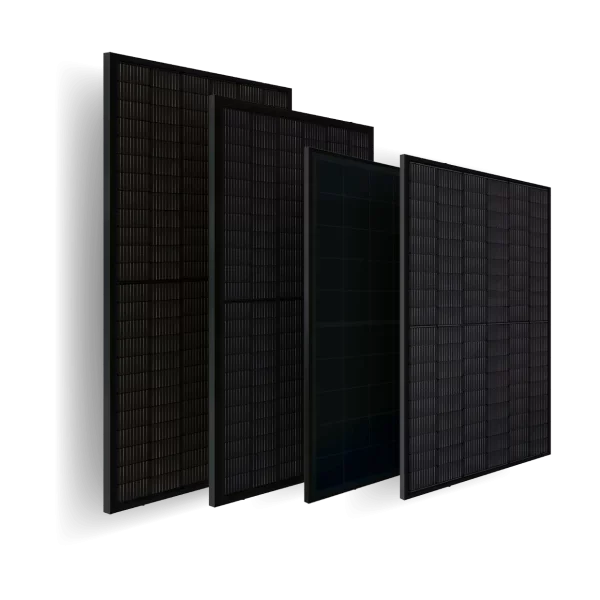
The type investments that can be made through the grant include home insulation, smart controls, air source heat pumps and even solar panels.
At Redhill Services, we have previously delivered solar and battery installation projects that have been funded by the UK government.
As energy improvement experts, we wanted to answer some of the questions you may have about this grant and explain how it could help you generate and store your own electricity at home.
Who is eligible for the Warm Homes grant?
To be eligible for the Warm Homes grant, you must adhere to the following.
Firstly, you must be in England and your home must be privately owned, this can either be by you or by your landlord. If the home is owned by a landlord, they may need to pay for some of the improvements.
As the grant aims at improving energy efficiency across homes in England, your home will also need to have an average or poor EPC rating, more specifically falling into the categories of D, E, F or G.
If you do not know your home’s EPC, you can find it out online using the GOV.UK Find an energy certificate service.
Additionally, your household income must usually be £36,000 a year or less.
However, if your household income is above £36,000, you may still qualify if someone in your household receives certain benefits or your home is in an eligible postcode area.
The grant identifies approximately 254,014 eligible postcodes that are labelled as the economically disadvantaged neighbourhoods.
To check if you’re eligible for the grant, use the official Apply for the Warm Homes: Local Grant service on GOV.UK to submit your details. Alternatively, you can contact your local council directly.
What can you get from the Grant?
So, what can the Warm Homes grant do for your home?
If you’re eligible for the grant and your local council has funding available, a home survey will be arranged to assess which can be done to your home to improve its energy efficiency.
Funding under the Warm Homes grant is divided into two separate categories, each with a cost cap of £16,600. These caps apply on average across the homes a project upgrades, rather than as fixed maximum grants for individual households. The amount spent on each home depends on the improvements agreed with the local council:
Energy Performance Upgrades (£16,600 per home on average):
- wall, loft and underfloor insulation
- Draught-proofing
- Double or triple glazing
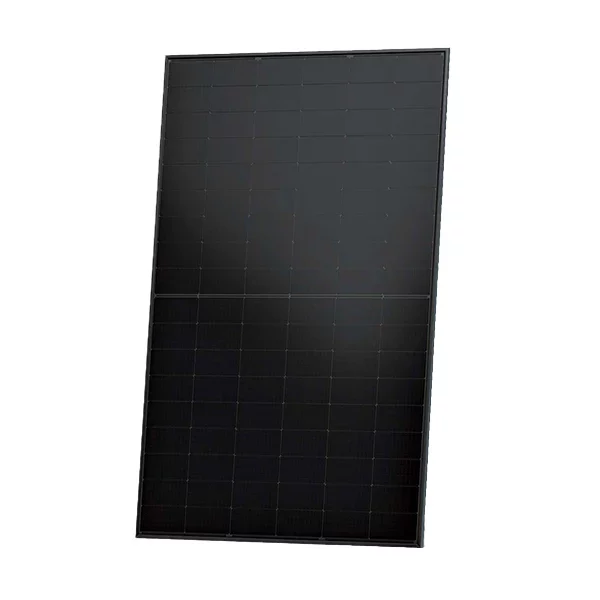
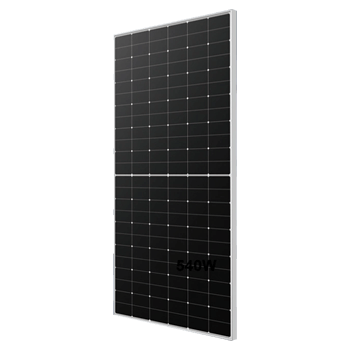
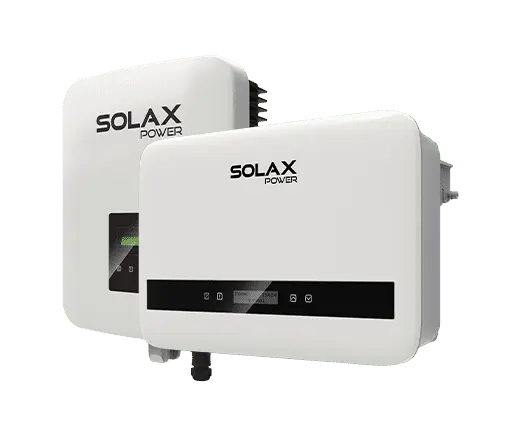
- Solar panels
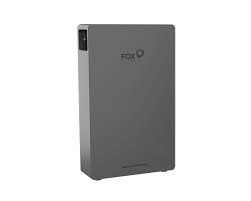
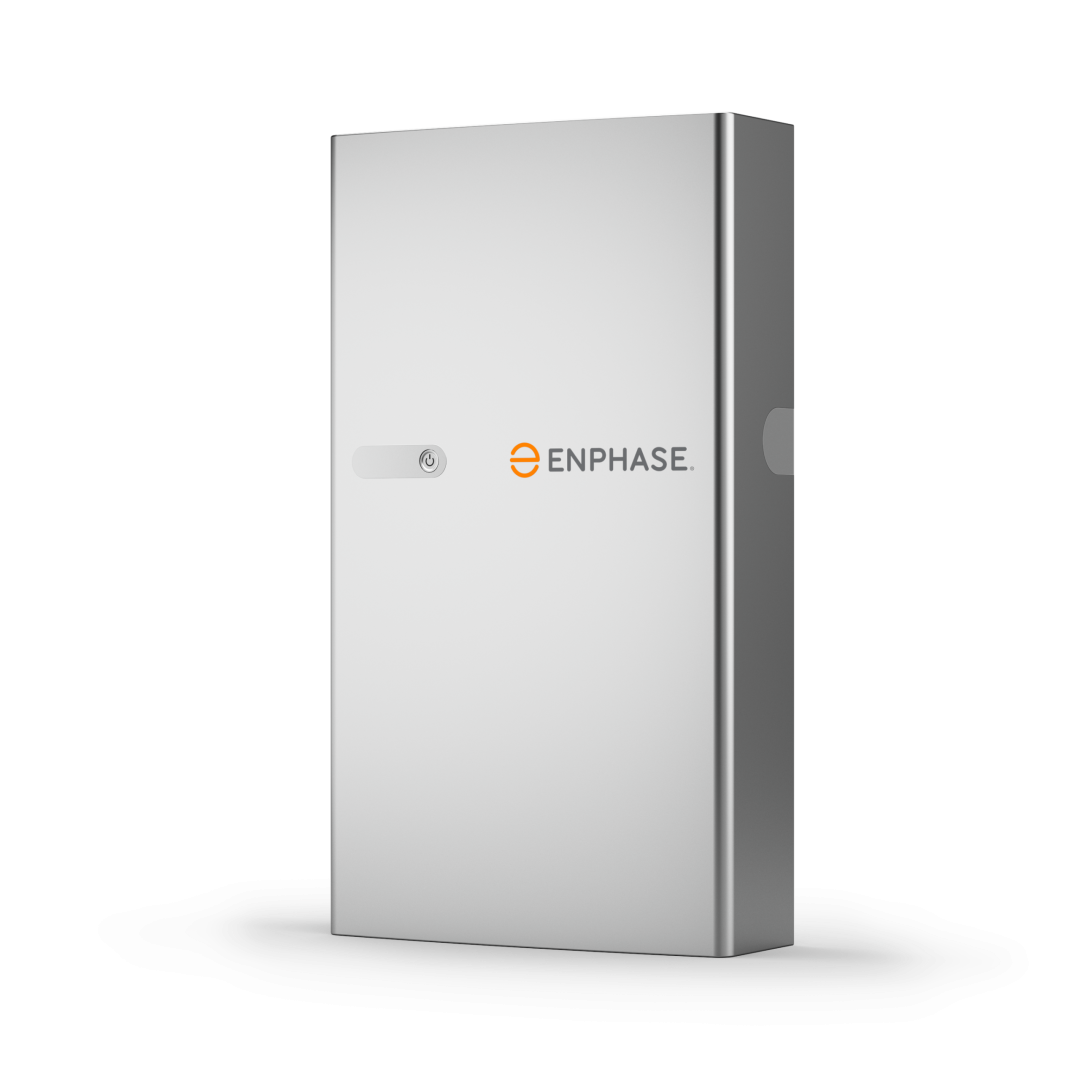
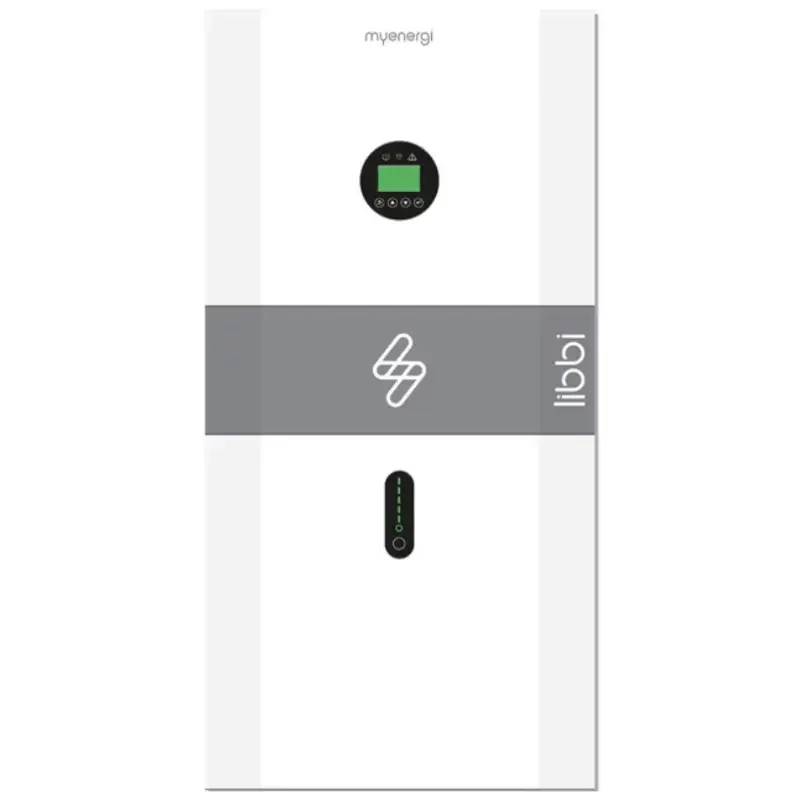
- Battery storage
Low-Carbon Heating (£16,600 per home on average):
- Air source or ground source heat pumps
- First-time central heating
- Electric storage heaters
Any work to your home will be managed and paid for by your local council if agreed.
If you make an application, your local council will typically be in touch within 10 working days to get more information and arrange a home survey.
Can solar panels and solar battery storage be installed through the Warm Homes grant?
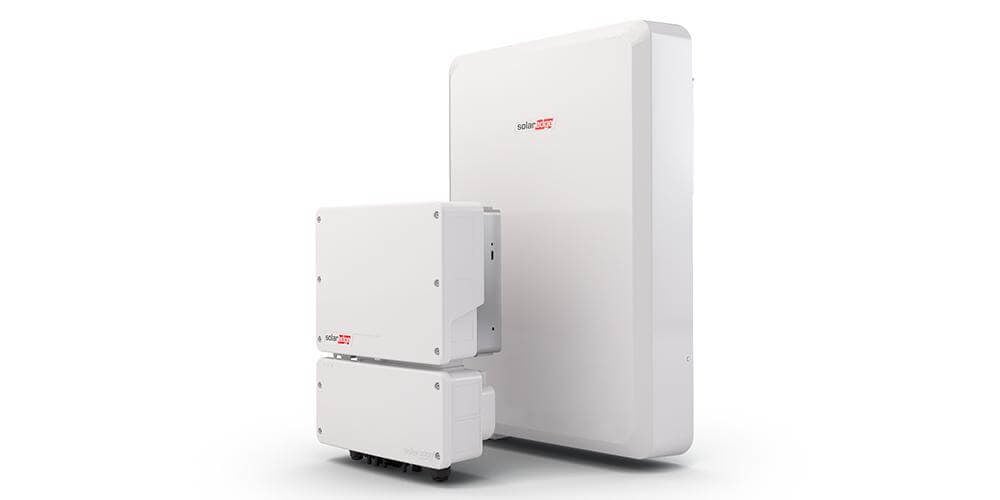
Yes. Solar panels and battery storage fall within the Energy Performance Upgrades category, which has a cost cap of £16,600 per home on average across the project. Installation is subject to the home assessment, available funding and agreement with your local council.
Solar panels generate electricity during daylight hours, while battery storage allows you to save surplus solar energy for use later, such as in the evening.
Together, they can help reduce the amount of electricity you need to buy from the grid. Because of this, both solar panels and batteries are considered as Energy Performance Upgrades within the Warm Homes grant.
Whether your home receives solar panels, battery storage or both will depend on the home assessment, available funding and the improvements agreed with your local council.
Redhill’s MCS registrations for both solar and battery storage
At Redhill Services, we are MCS certified for both solar PV and battery storage installations.
MCS certification demonstrates that an installer meets recognised standards for the technologies they install, giving homeowners confidence in the quality of their installation.
Our team installs solar panels and battery storage systems across Norwich, Norfolk and Suffolk, helping homeowners choose a system that suits their property and electricity use.
If you’re interested in the Warm Homes: Local Grant, start by checking your eligibility through GOV.UK or contacting your local council, which will arrange any approved work.
For advice about solar panels and battery storage, or a quote for an installation outside the scheme, contact the Redhill Services team.