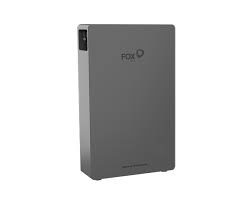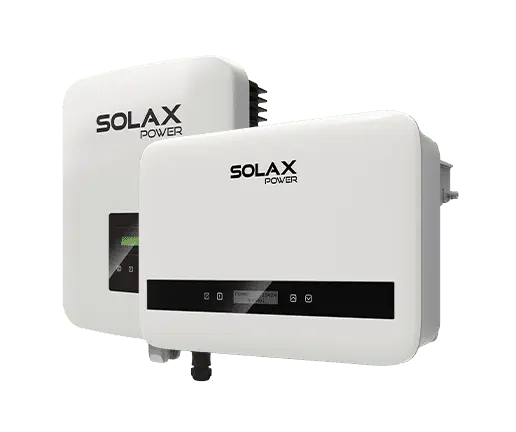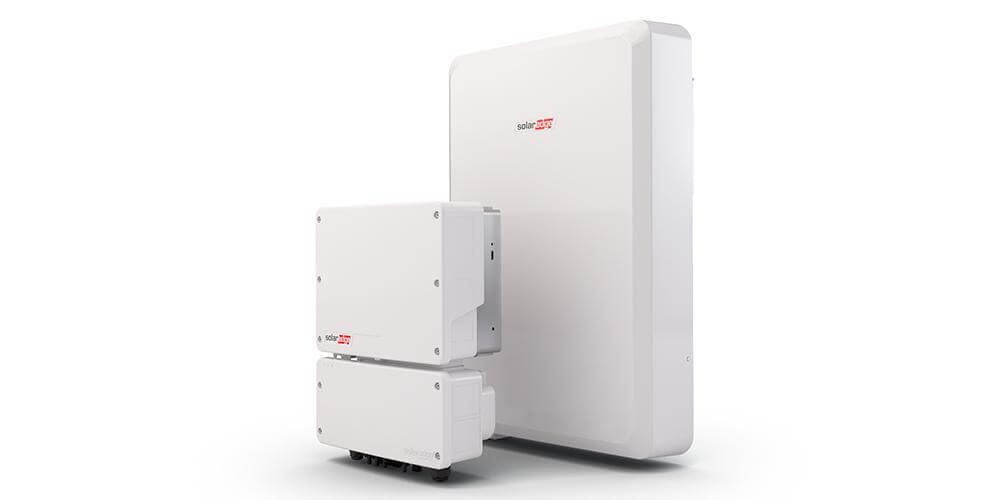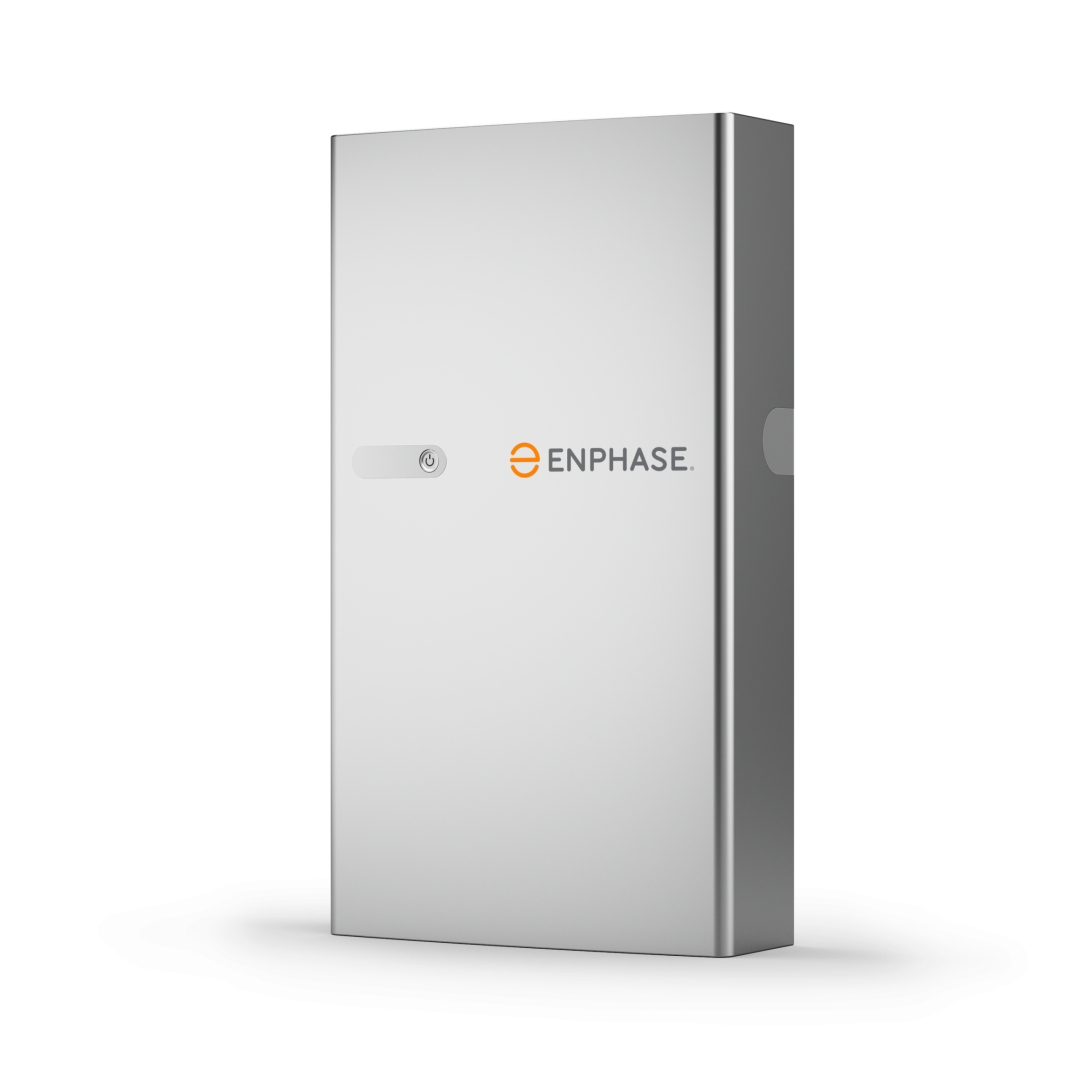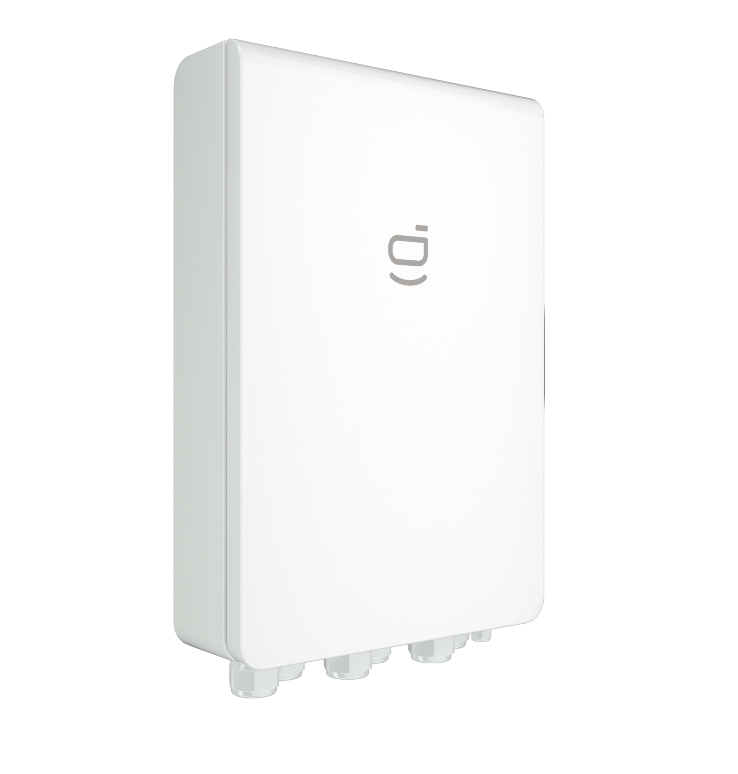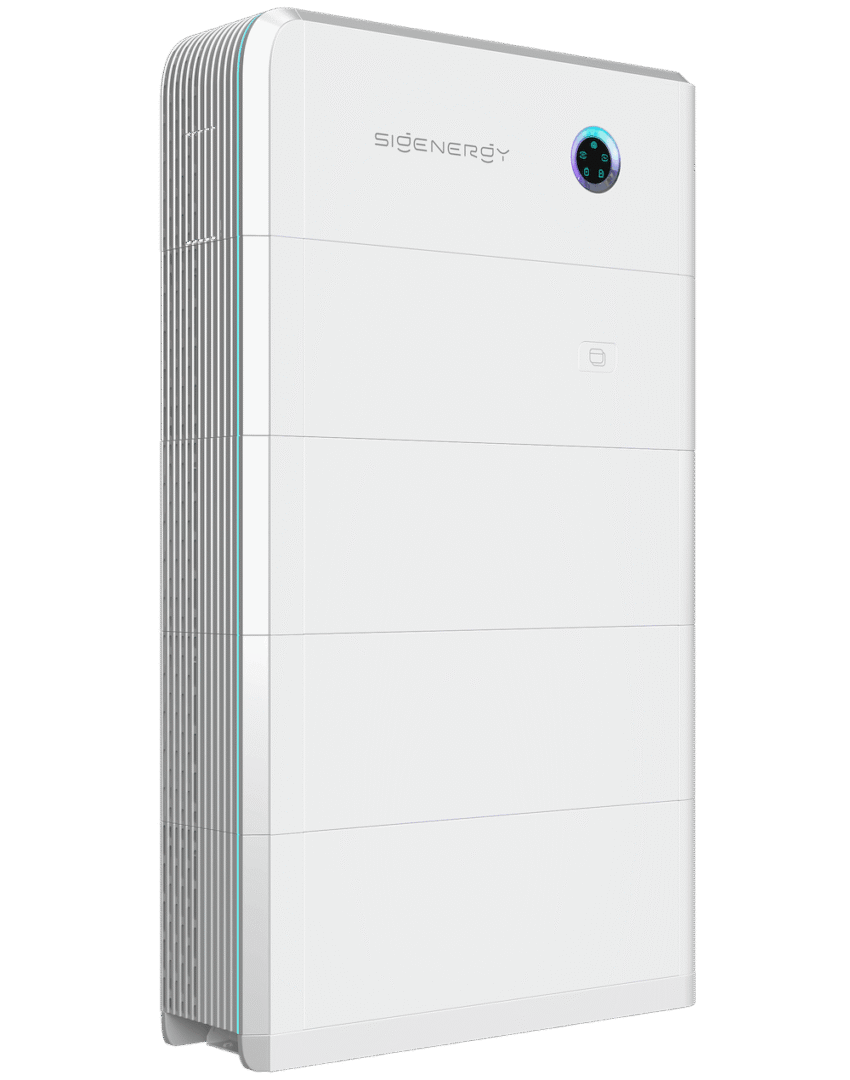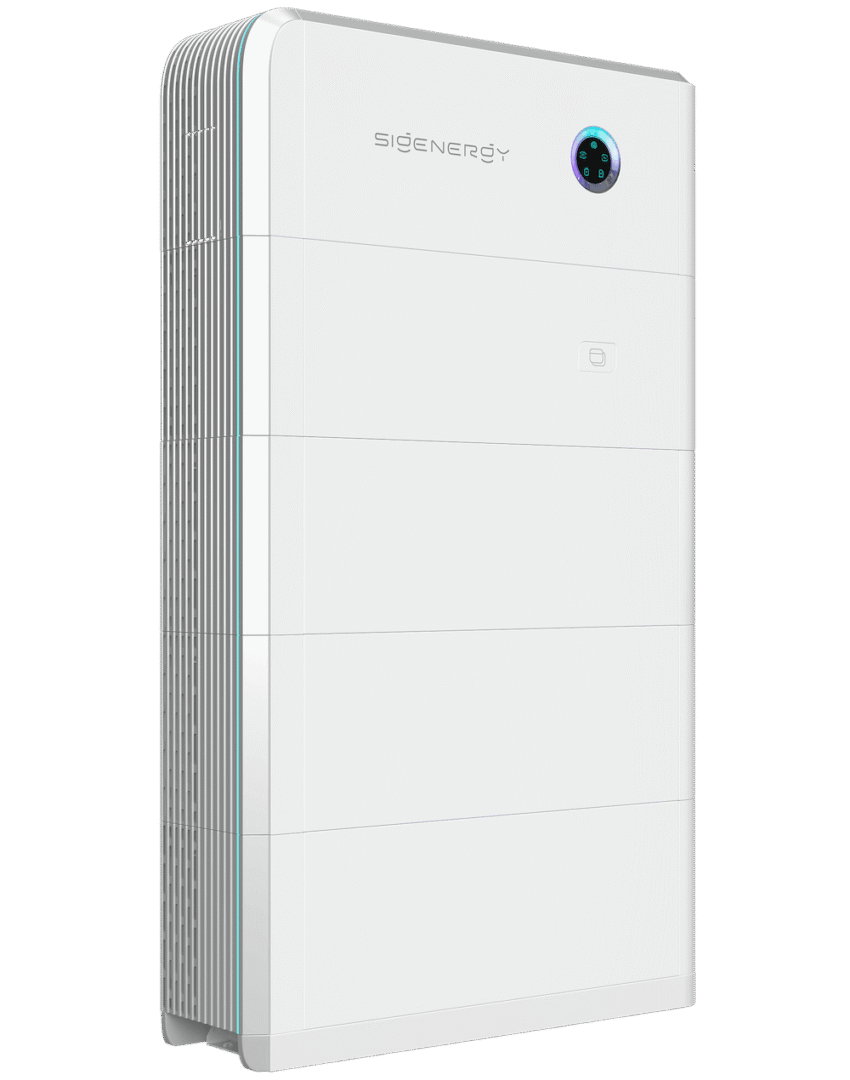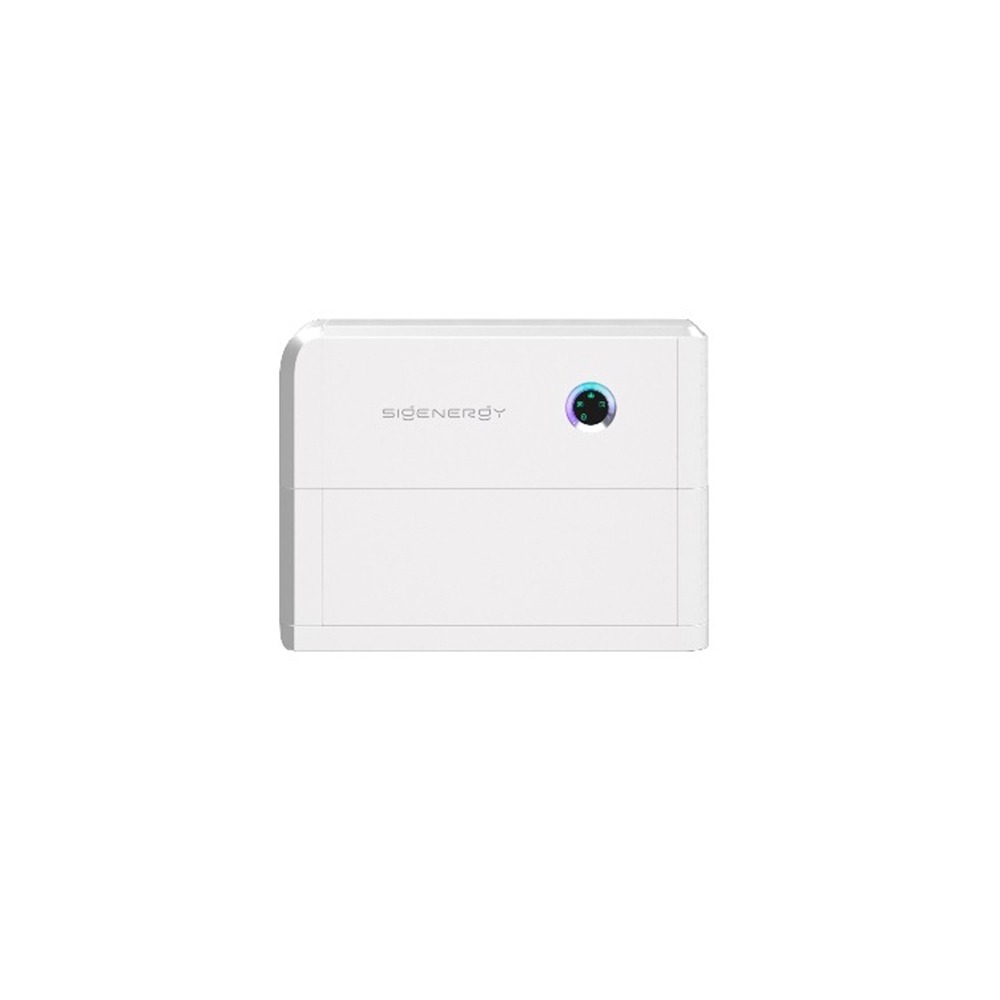

The Sigenergy Sigen Energy Gateway is the part of a Sigenergy solar and battery system that manages backup power, smart loads and energy flow around the home. If the inverter and batteries are doing the generation and storage work, the Gateway is there to control how that power is used, especially when the grid goes down.
At Redhill Services, we would explain the Gateway as the control and switching unit for a more complete Sigenergy setup. It is not a battery, and it is not the solar inverter. Its job is to help the system decide where power should come from and where it should go.
In normal use, that can mean managing electricity between your solar panels, battery storage, the grid and selected household loads. During a power cut, it becomes even more important because it helps the system switch into backup mode when installed with the correct Sigenergy inverter, battery and circuit design.
Put simply, if you only want basic solar battery storage, the Gateway may not always be the first thing to think about. If you want backup power, smart load control or a more capable Sigenergy home energy system, it becomes a key part of the design.
This is the main reason most customers ask about the Gateway. When the grid fails, a standard solar and battery system will not always keep the home powered unless it has been designed for backup. The Gateway helps make that backup setup possible.
Not every home needs full-house backup. In many cases, it makes more sense to keep essential loads running, such as lighting, internet equipment, refrigeration, heating controls, home office equipment or other circuits that matter most.
The Gateway can help manage selected smart loads based on the state of the battery, solar generation or grid conditions. For example, non-essential loads can be controlled so the battery lasts longer during backup use.
The Gateway is designed to sit within the wider Sigenergy ecosystem. It helps tie together solar PV, SigenStor battery storage, the grid, supported generator input and smart household loads, rather than treating each part as a separate box.
If you live in an area where outages are a problem, or you have equipment you do not want suddenly switching off, the Gateway is worth discussing from the start. It gives the system the control needed for a proper backup design.
The Gateway makes most sense when it is installed as part of a compatible Sigenergy solar and battery setup. It is there to help the inverter, batteries, grid supply and backup loads work together properly.
Some customers are not only looking for backup. They also want better control over when appliances run, how the battery is used and how much grid electricity the home relies on. The Gateway helps support that smarter setup.
Some smaller commercial or mixed-use sites may also benefit from a Gateway, especially where interruptions cause problems. In those cases, we would size the battery, backup loads and system layout carefully around real usage.
Before recommending the Sigenergy Gateway, we would check what you actually want the system to do. That sounds obvious, but it matters. A customer wanting basic battery storage does not have the same requirements as someone wanting backup power during an outage.
We would look at your existing or planned Sigenergy inverter, battery capacity, consumer unit, cable routes, backup circuits, household loads and whether generator support is needed. We would also check whether whole-home backup is realistic or whether selected essential circuits make more sense.
The key point is that backup power has to be designed properly. A battery and Gateway do not mean unlimited power in a blackout. The system can only support the loads it has been designed and sized to handle.
The Sigenergy Gateway is for customers who want their solar and battery system to do more than charge and discharge. It is there for backup power, smart load control, safer switching and better whole-system management.
We would recommend it when backup power or smart energy control is part of the brief. If you only want a simple solar battery setup with no need for outage protection, we would talk through whether the Gateway is needed before adding it to the system.
| Product | Sigenergy Sigen Energy Gateway HomePro SP-F |
|---|---|
| Gateway type | Single-phase energy gateway for compatible Sigenergy systems |
| Main purpose | Backup switching, energy flow management and smart load control |
| Grid connection type | Single phase |
| Nominal AC voltage | 220 / 230 / 240V |
| Nominal AC current | 100A |
| Nominal AC power | 22kW |
| Nominal AC frequency | 50 / 60Hz |
| Backup switch disruption time | 0ms load-side disruption under Sigenergy test conditions |
| Generator support | Supported |
| Generator 2-wire start | Supported |
| Smart load control | Supported |
| Bypass switch | Safe & Smart bypass switch supported |
| Reverse power flow protection | Supported |
| Monitoring and control | mySigen app |
| Communication | Fast Ethernet / RS485 / dry contact |
| Dimensions | 450 × 695 × 177mm without decorative cover |
| Weight | 25kg without decorative cover |
| Storage temperature range | -40°C to 70°C |
| Operating temperature range | -30°C to 55°C |
| Relative humidity range | 0%–100% |
| Max. operating altitude | 4,000m |
| Cooling | Natural convection |
| Ingress protection rating | IP55 |
| Installation method | Wall-mounted, rear wiring supported |
Looking for Solar PV, EV chargers, or expert domestic or commercial electrical work? Redhill Services provides safe, efficient, and future-proof solutions. Get in touch today for your free quote!